

Can an analog walkie - talkie be used for amusement park operations?
Jan 02, 2026
Leave a message
As a supplier of analog walkie - talkies, I've often been asked about the suitability of our products for different industries. One question that comes up quite frequently is whether analog walkie - talkies can be effectively used for amusement park operations. In this blog post, I'll delve into the various aspects of this question, exploring the advantages, limitations, and practical applications of analog walkie - talkies in the context of amusement parks.
Advantages of Analog Walkie - talkies in Amusement Park Operations
Cost - Effectiveness
One of the most significant advantages of analog walkie - talkies is their cost - effectiveness. When compared to digital alternatives, analog models are generally more affordable to purchase outright. For an amusement park, which may need to equip a large number of staff members across various departments such as ride operators, maintenance crews, security personnel, and customer service representatives, the cost savings can be substantial. A budget that might only stretch to a limited number of high - end digital units could purchase a significantly larger quantity of analog walkie - talkies, ensuring comprehensive communication coverage throughout the park.
Simplicity of Use
Analog walkie - talkies are incredibly simple to operate. They typically have fewer buttons and features compared to their digital counterparts, which means that even new or inexperienced employees can quickly learn how to use them. In an amusement park environment where staff turnover can be relatively high, the ease of use of analog walkie - talkies is a major benefit. Employees can focus on their primary tasks, such as operating rides safely or assisting guests, rather than spending time learning complex communication systems. This simplicity also reduces the likelihood of user error, which could lead to communication breakdowns during critical moments.
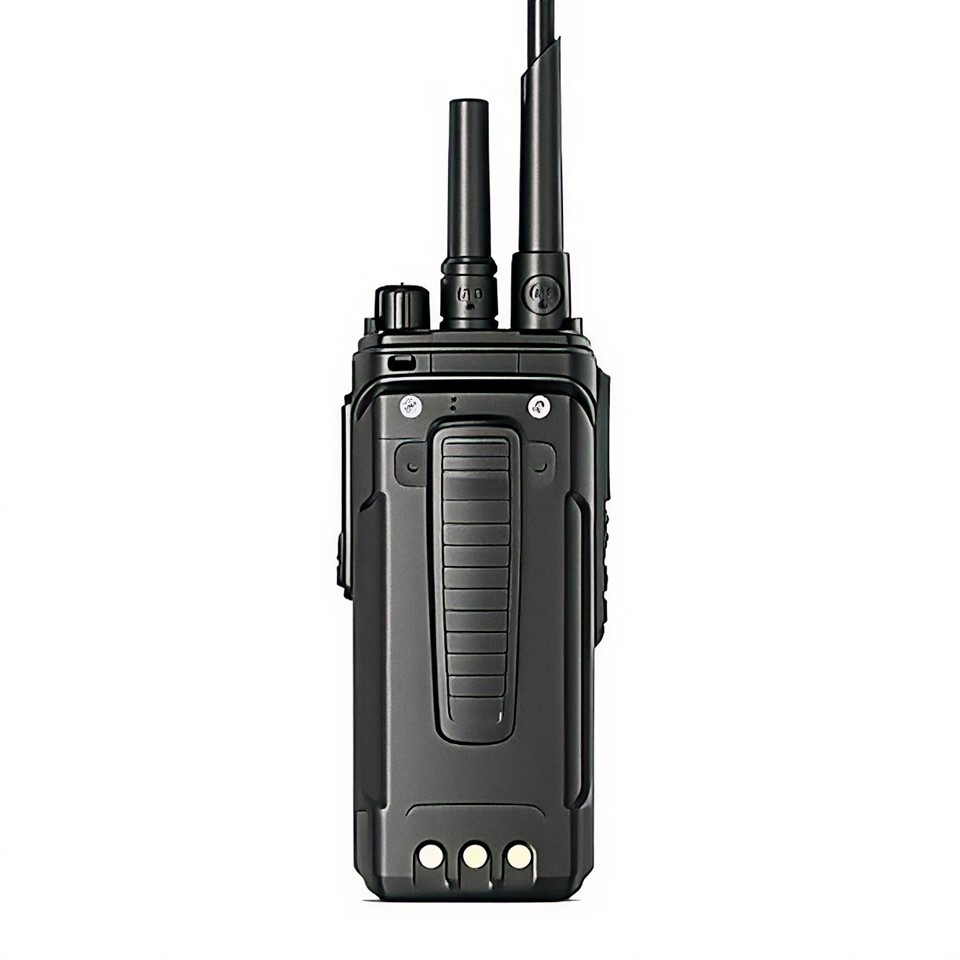

Familiarity
Many people are already familiar with analog walkie - talkies from personal or previous professional use. This familiarity extends to amusement park staff, who may have used similar devices in other settings. As a result, there is less of a learning curve when introducing analog walkie - talkies into the park's operations. Staff members can start using the devices immediately, without the need for extensive training. This quick adaptation can improve the efficiency of communication within the park right from the start.
Interoperability
Analog walkie - talkies are generally more interoperable with older communication equipment. In an amusement park, there may be legacy systems in place that are based on analog technology. Using analog walkie - talkies allows for seamless communication between different departments and teams, even if they are using older equipment. This interoperability ensures that all staff members can stay connected, regardless of the type of communication devices they are using. For example, if the security team has some older analog radios, new staff members equipped with our Analog Two Way Radio can communicate with them without any compatibility issues.
Limitations of Analog Walkie - talkies in Amusement Park Operations
Limited Range
One of the main limitations of analog walkie - talkies is their limited range. In a large amusement park, which may cover a vast area with various attractions, buildings, and natural obstacles, the range of analog walkies can be significantly reduced. For example, tall rides, large buildings, and thick foliage can all interfere with the radio signals, causing communication to break down. While repeaters can be used to extend the range, this adds to the overall cost and complexity of the communication system.
Lack of Privacy
Analog signals are relatively easy to intercept compared to digital signals. In an amusement park, where sensitive information may be shared between staff members, such as details about ride maintenance or security threats, the lack of privacy can be a concern. Any unauthorized person with a compatible radio receiver could potentially listen in on the conversations, which could compromise the safety and security of the park and its guests.
Audio Quality
The audio quality of analog walkie - talkies can be affected by interference from other electronic devices, environmental factors, and even other radio signals. In a noisy amusement park environment, the interference can make it difficult for staff members to clearly hear and understand each other. This can lead to misunderstandings and delays in response times, which can be particularly problematic in emergency situations.
Limited Features
Analog walkie - talkies typically have fewer features compared to digital models. For example, they may not offer features such as text messaging, GPS tracking, or encryption. These features can be valuable in an amusement park setting. GPS tracking, for instance, can help managers quickly locate staff members in case of an emergency, while text messaging can be useful for sending non - urgent information without interrupting ongoing tasks.
Practical Applications of Analog Walkie - talkies in Amusement Parks
Ride Operations
In the ride operations department, analog walkie - talkies can be used to coordinate the opening and closing of rides, manage queues, and communicate any issues or maintenance needs. Ride operators can quickly communicate with each other and with the control center to ensure the smooth and safe operation of the rides. For example, if a ride experiences a technical problem, the operator can immediately alert the maintenance team using the Walkie Talkie Analog, who can then respond promptly.
Security
Security personnel in an amusement park rely on effective communication to maintain a safe environment for guests and staff. Analog walkie - talkies can be used to patrol the park, respond to security incidents, and coordinate with other security teams. They can communicate with each other to share information about suspicious activities, lost children, or any other security concerns. In the event of an emergency, such as a fire or a medical incident, security officers can use the walkie - talkies to quickly mobilize the appropriate response teams.
Maintenance
The maintenance department in an amusement park is responsible for ensuring the safety and functionality of all the rides and attractions. Analog walkie - talkies can be used by maintenance crews to communicate with each other while working on different parts of the park. They can share information about the progress of maintenance tasks, order replacement parts, and coordinate with other departments, such as ride operations, to minimize downtime. For example, if a ride needs a major repair, the maintenance team can use the Analog 2 Way Radio to communicate with the ride operators to schedule the closure of the ride at a convenient time.
Customer Service
Customer service representatives in an amusement park often need to communicate with each other and with other departments to assist guests. Analog walkie - talkies can be used to respond to guest inquiries, resolve complaints, and coordinate the efforts of different customer service teams. For example, if a guest has lost an item, the customer service representative can use the walkie - talkie to communicate with the lost and found department and other staff members in the area to try and locate the item.
Conclusion
In conclusion, while analog walkie - talkies have their limitations, they can still be a viable option for amusement park operations. Their cost - effectiveness, simplicity of use, familiarity, and interoperability make them an attractive choice for many parks. However, it's important to consider the specific needs and requirements of the park, such as the size of the area, the type of communication required, and the level of security needed. In some cases, a combination of analog and digital communication devices may be the best solution.
If you're an amusement park operator or involved in park management and are considering analog walkie - talkies for your operations, I encourage you to contact us for a detailed discussion. We can help you assess your communication needs, recommend the most suitable products, and provide you with a cost - effective solution. Let's work together to ensure seamless communication in your amusement park.
References
- Radio Technology Handbook, [Author's Name], [Publication Year]
- Amusement Park Operations Best Practices, [Author's Name], [Publication Year]
- Communication Systems in the Hospitality Industry, [Author's Name], [Publication Year]