

Can an analog walkie - talkie be used in a desert?
Jan 16, 2026
Leave a message
Can an analog walkie - talkie be used in a desert?
As a supplier of analog walkie - talkies, I often get asked about the usability of our products in various extreme environments. One of the most intriguing questions is whether an analog walkie - talkie can be used in a desert. In this blog, I'll delve into the technical aspects, advantages, limitations, and practical considerations of using analog walkie - talkies in the harsh desert landscape.

Technical Basics of Analog Walkie - Talkies
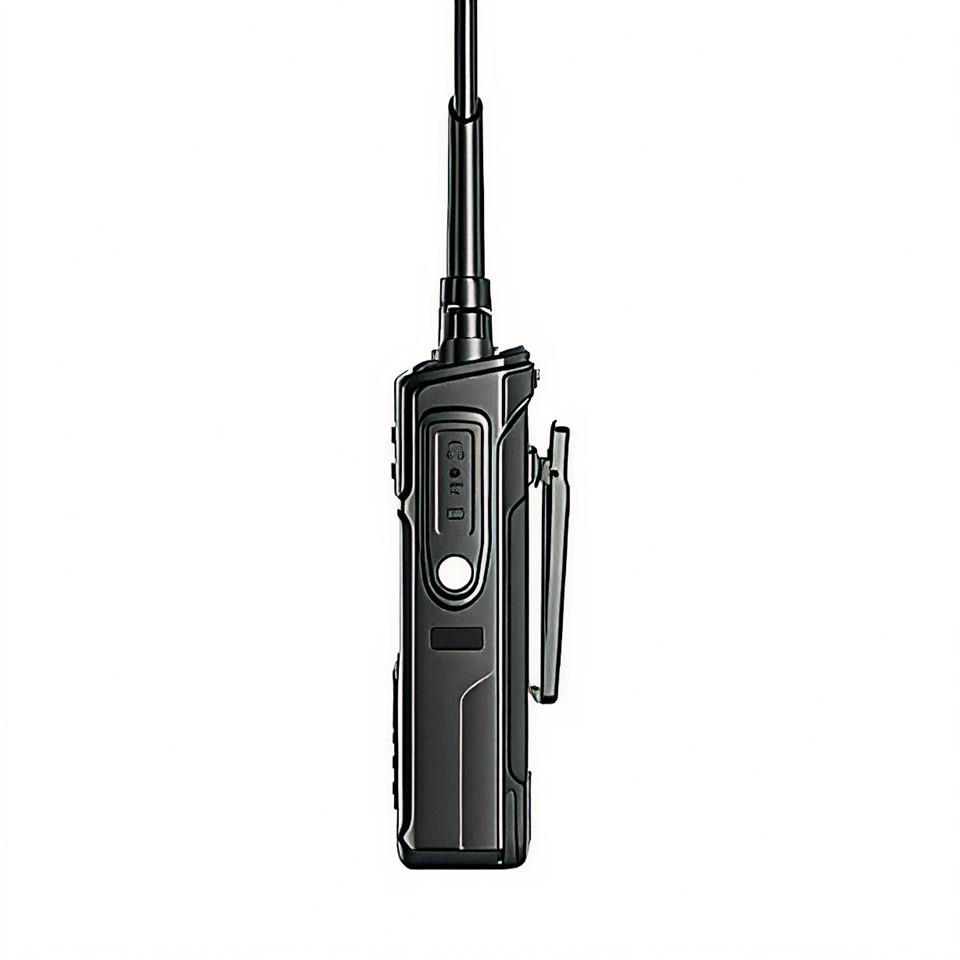
Before we discuss their use in the desert, let's understand how analog walkie - talkies work. Analog walkie - talkies, also known as Analog Two Way Radio, transmit and receive voice signals in a continuous, analog format. They operate on specific radio frequencies, and the voice is modulated onto these frequencies for transmission. Unlike digital walkie - talkies, which convert voice into digital data before transmission, analog walkies rely on the direct modulation of the radio waves.
Advantages of Using Analog Walkie - Talkies in the Desert
Simplicity and Reliability
One of the key advantages of analog walkie - talkies is their simplicity. They have fewer components compared to digital counterparts, which means there are fewer things that can go wrong. In a desert environment, where dust, sand, and extreme temperatures can take a toll on electronic devices, the simplicity of analog walkies can be a significant asset. For example, if a small amount of sand gets into the device, an analog walkie - talkie is less likely to malfunction compared to a more complex digital unit.
Battery Efficiency
Analog walkie - talkies generally consume less power than digital ones. In the desert, where access to power sources is limited, battery life is crucial. With an analog walkie - talkie, users can enjoy longer communication times without having to worry about frequent recharging. This is especially important for long - term desert expeditions or for those working in remote desert areas.
Wide - Spread Compatibility
Most analog walkie - talkies operate on standard frequencies that are widely recognized and used. This means that even if different groups or individuals are using different brands of Analog 2 Way Radio, they can still communicate with each other as long as they are tuned to the same frequency. In a desert setting, where multiple teams or groups may be operating in the same area, this compatibility can be extremely useful for coordinating activities and ensuring safety.
Limitations of Using Analog Walkie - Talkies in the Desert
Signal Interference
The desert environment can be a source of significant signal interference. The vast open spaces, combined with the presence of sand dunes and rocky terrain, can cause radio waves to bounce and scatter. This can result in poor signal quality, static, and even complete loss of communication. Additionally, other sources of interference, such as solar flares or electrical storms, can also affect the performance of analog walkie - talkies.
Limited Range
Compared to some high - end digital walkie - talkies, analog walkies typically have a more limited range. In the desert, where distances between individuals or groups can be large, this limited range can be a drawback. For example, if a team member is scouting a far - off area, they may not be able to communicate effectively with the main group using an analog walkie - talkie.
Lack of Advanced Features
Analog walkie - talkies lack many of the advanced features found in digital models. They do not have features such as encryption, which can be important for secure communication in certain situations. In a desert where there may be sensitive operations or information being shared, the lack of encryption can be a concern.
Practical Considerations for Using Analog Walkie - Talkies in the Desert
Antenna Placement
The placement of the antenna is crucial for optimal signal reception and transmission in the desert. To avoid signal blockage, it is recommended to keep the antenna as high as possible. For example, if you are in a vehicle, mounting the antenna on the roof can significantly improve the range and quality of communication.
Weatherproofing
Desert conditions can be harsh, with high temperatures during the day and cold nights, as well as the presence of sand and dust. It is important to choose analog walkie - talkies that are weatherproof or at least have some level of protection against these elements. Look for devices with sealed casings and gaskets to prevent sand and dust from entering the unit.
Frequency Selection
Selecting the right frequency is essential for clear communication in the desert. Some frequencies may be more prone to interference than others. It is advisable to do some research or consult with local authorities or other experienced desert users to determine the best frequencies to use in a particular area.
Case Studies
There have been several instances where analog walkie - talkies have proven their worth in the desert. For example, a group of archaeologists conducting a dig in the Sahara Desert used analog walkie - talkies to communicate between different excavation sites. Despite the challenging desert conditions, the simplicity and reliability of the analog walkies allowed them to stay in touch and coordinate their activities effectively.
On the other hand, there have also been cases where the limitations of analog walkie - talkies became apparent. A group of off - road enthusiasts in the Mojave Desert experienced signal interference and limited range issues with their analog walkies, which made it difficult for them to communicate when spread out over a large area.
Conclusion
In conclusion, an analog walkie - talkie can be used in a desert, but it has its pros and cons. The simplicity, reliability, and battery efficiency of analog walkies make them a viable option for many desert applications. However, the limitations in terms of signal interference, range, and lack of advanced features need to be carefully considered.
If you are planning a desert expedition, a desert - based project, or any other activity in the desert where communication is essential, I encourage you to consider our range of Walkie Talkie Analog. Our analog walkie - talkies are designed to withstand the harsh desert conditions and provide reliable communication. If you have any questions or are interested in purchasing our products, please feel free to reach out to us for a detailed discussion. We are here to help you choose the right communication solution for your desert needs.
References
- Radio Technology Handbook, 3rd Edition
- Desert Survival Guide: Communication in Extreme Environments
- Case Studies in Desert Communication Technologies