

How far can an Analog Two Way Radio reach in open space?
Jan 20, 2026
Leave a message
Hey there! As a supplier of Analog Two Way Radios, I get a ton of questions about how far these bad boys can reach in open space. It's a pretty common query, and today, I'm gonna dig deep into this topic to give you the lowdown.
First off, let's talk about what analog two - way radios are. Analog two - way radios, also known as Analog 2 Way Radio, have been around for ages. They work by transmitting and receiving analog signals, which are continuous signals that represent voice or other data. Unlike digital radios, analog radios use this older technology, but they still have their own charm, especially in certain situations.
Now, back to the main question: how far can they reach in open space? Well, there's no one - size - fits - all answer. It depends on several factors.
Power Output
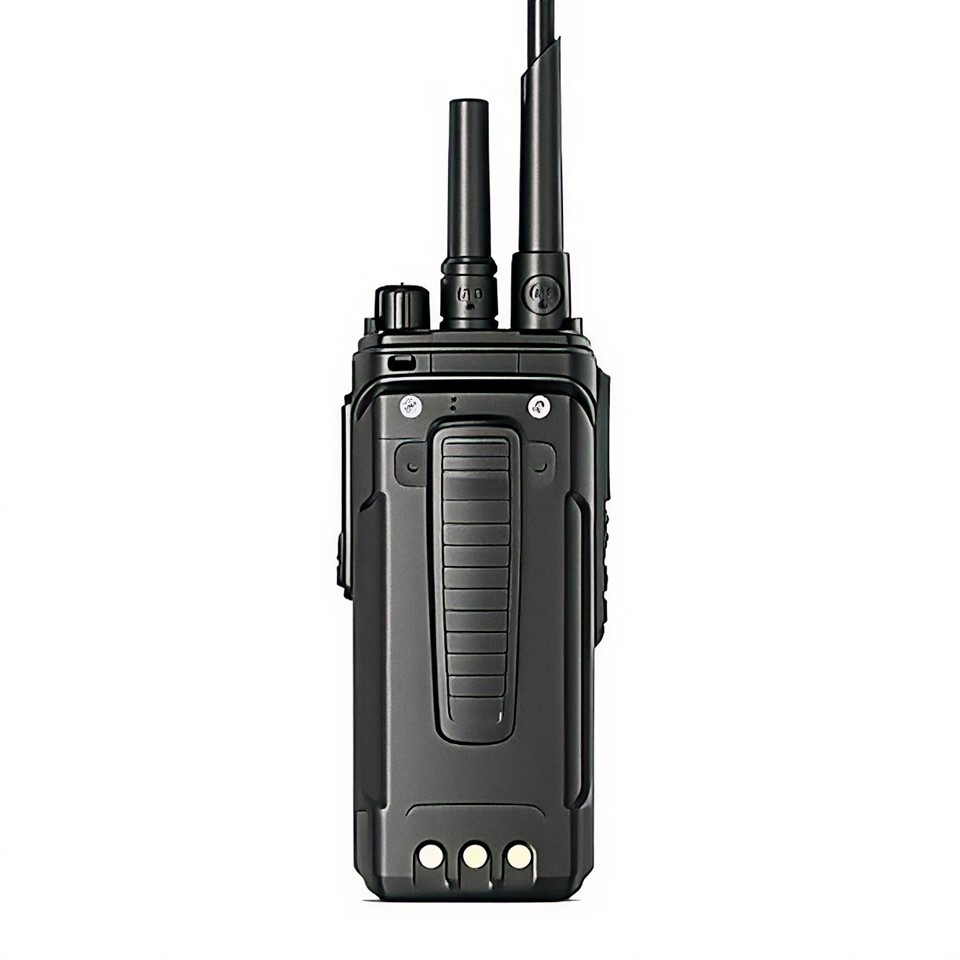
One of the most significant factors is the power output of the radio. The power output is measured in watts. Generally, the higher the wattage, the farther the radio can transmit. For instance, a small handheld analog two - way radio with a power output of 1 - 2 watts might have a range of about 1 - 3 miles in open space. These are often the kind of Analog Walkie - talkie you'd use for short - range communication, like in a small park or a backyard.
On the other hand, if you have a more powerful mobile or base - station analog two - way radio with a power output of 25 - 50 watts, the range can be significantly longer. In open space, these radios can reach up to 10 - 20 miles or even more in some cases. It's like the difference between a whisper and a shout. The more power you have, the louder (and farther) your signal can go.
Antenna Type and Quality
The antenna is like the radio's voice amplifier. A good antenna can make a huge difference in the range of an analog two - way radio. Different types of antennas have different capabilities.
A small rubber - duck antenna that comes with many handheld Walkie Talkie Analog radios works okay for short distances. But if you want to extend the range, you might consider using a high - gain antenna. High - gain antennas are designed to focus the radio signal in a particular direction, which can increase the range substantially. For example, a base - station radio with a well - designed high - gain antenna mounted on a tall mast can reach far beyond what a regular handheld radio can achieve.
Frequency Band
Analog two - way radios operate on different frequency bands, and each band has its own characteristics when it comes to range. The most common frequency bands for these radios are the VHF (Very High Frequency) and UHF (Ultra High Frequency) bands.
VHF radio waves, which typically range from 30 - 300 MHz, are great for long - distance communication in open areas. They can travel over longer distances because they diffract (bend) around obstacles more easily than UHF waves. So, if you're looking for a radio that can reach far in a rural or open - field setting, a VHF analog two - way radio might be a good choice.
UHF radio waves, which range from 300 MHz - 3 GHz, are better at penetrating through buildings and other structures. However, they don't travel as far as VHF waves in open space. In open - air conditions, a UHF radio might have a slightly shorter range compared to a VHF radio with the same power output.
Atmospheric Conditions
You might not think about the weather and the atmosphere when it comes to radio range, but they actually play a crucial role.2extremely dry conditions can also affect the range, as the radio waves can experience more attenuation.
In some rare cases, certain atmospheric phenomena can actually extend the range of a radio. For example, a phenomenon called tropospheric ducting occurs when a layer of warm air traps radio waves close to the ground, allowing them to travel much farther than usual. This is more common in coastal areas and during certain times of the year.
Terrain
The type of terrain you're in can have a big impact on the range of an analog two - way radio. In truly open space, like a flat desert or an ocean, the range is likely to be at its maximum because there are no obstacles to block the radio waves.
However, if you're in a hilly or mountainous area, the range can be significantly reduced. The hills and mountains can block the radio signals, causing them to be absorbed or reflected. Similarly, in a forested area, the trees can absorb and scatter the radio waves, reducing the effective range.
Line - of - Sight
Line - of - sight is a fundamental concept in radio communication. Simply put, if you and the person you're trying to communicate with can see each other without any obstacles in between, the radio signal is more likely to travel the maximum distance.
When there's a direct line - of - sight between two radios, the signal doesn't have to deal with obstacles like buildings, trees, or hills. This allows the radio waves to travel in a straight line and reach the other radio with minimal interference. So, always try to get to a high point or an open area to improve the line - of - sight and increase the range.
Real - World Expectations
So, in real - world scenarios, what can you expect? Well, in a typical open - field situation, a handheld analog two - way radio with a power output of 2 - 3 watts might give you a range of 2 - 5 miles. This is assuming there are no major obstacles and the atmospheric conditions are normal.
If you're using a more powerful mobile radio with a high - gain antenna in a rural area with good line - of - sight, you could potentially get a range of 10 - 15 miles or more. But keep in mind that these are just estimates, and the actual range can vary depending on all the factors we've discussed.
Why Choose Analog Two - Way Radios?
Despite the rise of digital radios, analog two - way radios still have their place. They're often more affordable, which is great for those on a budget. They're also simpler to use, with fewer buttons and settings to worry about. And in many cases, they can still provide reliable communication, especially in areas where digital coverage might be spotty.
If you're in the market for an analog two - way radio, whether it's a handheld Analog Walkie - talkie for a small - scale event or a more powerful base - station radio for long - range communication, we've got you covered. We offer a wide range of high - quality analog two - way radios that are designed to meet your specific needs.
If you're interested in learning more about our products or have any questions about which radio is right for you, don't hesitate to reach out. We're here to help you make the best decision and get the most out of your analog two - way radio. Whether you need a radio for personal use, a business, or an organization, we can provide you with the right solutions. Contact us today to start a conversation about your procurement needs, and let's find the perfect analog two - way radio for you.

References
- Radio Technology Handbook, Second Edition, by Bill Wheeler
- Communications Engineering, Third Edition, by Andrew J. Viterbi and Jim K. Omura