

What is the maximum number of devices that can be connected to a digital intercom system?
Oct 23, 2025
Leave a message
What is the maximum number of devices that can be connected to a digital intercom system? This is a question that often comes up when businesses and organizations are considering implementing a digital intercom solution. As a digital intercom supplier, I've encountered this query numerous times, and I'm here to shed some light on this topic.
Understanding Digital Intercom Systems
Before delving into the maximum number of connectable devices, it's crucial to understand what a digital intercom system is. A digital intercom system is a communication tool that uses digital technology to transmit audio and sometimes video signals between multiple devices. Unlike traditional analog intercoms, digital systems offer enhanced features such as better sound quality, increased security, and the ability to integrate with other systems.
Digital intercoms are widely used in various settings, including offices, residential buildings, hospitals, and factories. They provide a convenient way for people to communicate within a specific area, whether it's to grant access to a building, coordinate tasks, or simply stay in touch.
Factors Affecting the Maximum Number of Connected Devices
The maximum number of devices that can be connected to a digital intercom system depends on several factors:
System Architecture
The architecture of the digital intercom system plays a significant role in determining the number of connectable devices. There are two main types of architectures: centralized and decentralized.
In a centralized system, all devices are connected to a central control unit. This unit manages the communication between the devices and can handle a certain number of connections based on its processing power and memory. Centralized systems are often used in large buildings where a single point of control is required. However, the number of devices that can be connected is limited by the capacity of the central control unit.
On the other hand, decentralized systems distribute the control among multiple devices. Each device can communicate directly with other devices without relying on a central unit. This type of architecture allows for a larger number of connections as there is no single point of failure. Decentralized systems are more flexible and scalable, making them suitable for complex environments.
Bandwidth
Bandwidth is another crucial factor. The amount of data that can be transmitted over the network at any given time determines how many devices can communicate simultaneously. Digital intercom systems require a certain amount of bandwidth to transmit audio and video signals. If the bandwidth is limited, the number of connected devices may need to be reduced to ensure smooth communication.
For example, in a high - density environment such as a large office building with many intercom devices, a high - speed network with sufficient bandwidth is necessary to support all the devices. Otherwise, there may be issues such as audio delays, dropped calls, or poor video quality.
Protocol and Standards
The protocol and standards used by the digital intercom system also affect the number of connectable devices. Different protocols have different capabilities in terms of device management and communication. Some protocols are designed to support a large number of devices, while others are more suitable for smaller systems.
For instance, some modern digital intercom systems use industry - standard protocols such as Ethernet or Wi - Fi. These protocols are well - established and can support a relatively large number of devices. However, the actual number of devices that can be connected still depends on the implementation and configuration of the system.
Typical Maximum Device Counts
Based on the factors mentioned above, the maximum number of devices that can be connected to a digital intercom system can vary widely.
In small - scale residential applications, a digital intercom system may support up to 10 - 20 devices. These systems are usually simple and may be used for basic access control and communication within a single family home or a small apartment building.
For medium - sized commercial buildings such as offices or small factories, the number of connectable devices can range from 20 to 100. These systems often require more advanced features such as integration with security systems and the ability to handle multiple communication channels.

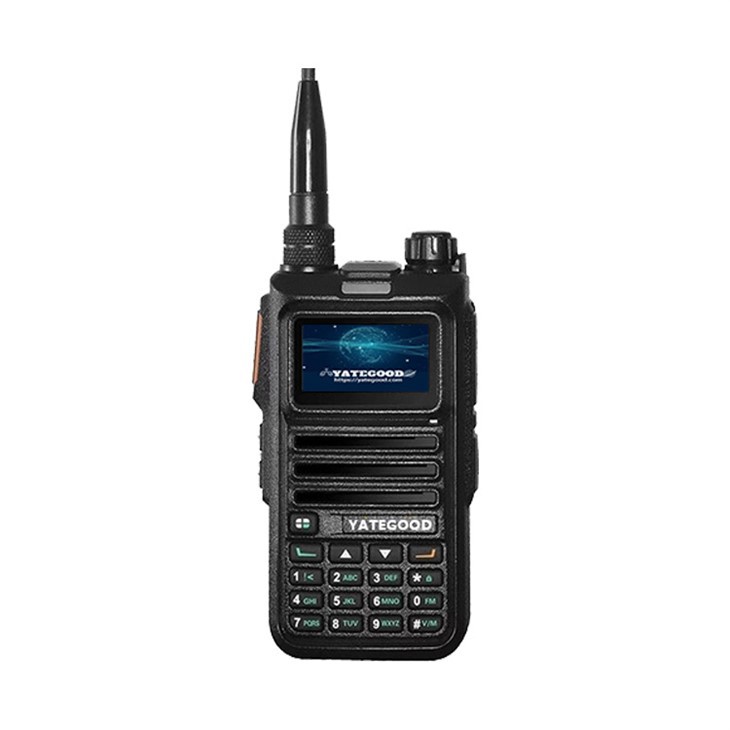
In large - scale applications such as hospitals, universities, or large corporate campuses, digital intercom systems can support hundreds or even thousands of devices. These systems typically use a decentralized architecture and high - speed networks to ensure reliable communication across a large area.
Our Digital Intercom Solutions
As a digital intercom supplier, we offer a wide range of solutions to meet different customer needs. Our Digital Intercom systems are designed with scalability in mind, allowing you to easily add or remove devices as your requirements change.
We also provide Dmr Radio for Motorola and Dmr Walkie - talkie options that can be integrated with our digital intercom systems. These products offer seamless communication and enhanced functionality, making them ideal for various industries.
Contact Us for More Information
If you're interested in learning more about our digital intercom systems and the maximum number of devices that can be connected to meet your specific needs, we encourage you to contact us. Our team of experts can provide you with detailed information, product demonstrations, and customized solutions based on your requirements. Whether you're a small business or a large organization, we have the right digital intercom solution for you.
References
- "Digital Intercom Systems: A Comprehensive Guide" - Industry Research Report
- "Networking Basics for Digital Communication" - Textbook on Networking
- Manufacturer's Documentation for Digital Intercom Products