

What is the power source of an Analog Two Way Radio?
Nov 11, 2025
Leave a message
Hey there! As a supplier of Analog Two Way Radios, I often get asked about what powers these nifty devices. Well, let's dive right into it and explore the power sources of Analog Two Way Radios.
Battery Basics
Most Analog Two Way Radios, like the ones you can find on our site Analog Two Way Radio, are powered by batteries. Batteries are the go - to power source because they offer portability. You can take your radio with you anywhere, whether you're on a camping trip, at a construction site, or coordinating an event.
There are mainly two types of batteries used in Analog 2 Way Radios: disposable and rechargeable.
Disposable Batteries
Disposable batteries are super convenient. You can just pop them in and start using your Analog 2 Way Radio. The most common types are AA and AAA alkaline batteries. They're readily available at almost any store, so if you run out of power, you can easily pick up a new pack.
The advantage of disposable batteries is that you don't have to worry about charging them. You just replace them when they die. However, they can get expensive in the long run, especially if you use your radio frequently. Also, they're not the most eco - friendly option since you're constantly throwing away used batteries.
Rechargeable Batteries
Rechargeable batteries, on the other hand, are a more cost - effective and environmentally friendly choice. Nickel - Metal Hydride (NiMH) and Lithium - Ion (Li - Ion) are the two popular types used in Walkie Talkie Analog devices like ours Walkie Talkie Analog.
NiMH batteries have been around for a while. They can hold a decent amount of charge and are relatively affordable. They're also less prone to the "memory effect" compared to older nickel - cadmium (NiCd) batteries. The memory effect is when a battery "remembers" a partial charge and loses its full capacity over time.
Li - Ion batteries are the new kids on the block. They're lighter, have a higher energy density, and can hold a charge for longer periods. They also don't suffer from the memory effect. However, they're a bit more expensive than NiMH batteries.
Power Adapters
In addition to batteries, many Analog Two Way Radios can also be powered by AC power adapters. This is useful when you're using the radio in a fixed location, like an office or a base station. You simply plug the adapter into a wall socket, and it provides a continuous power supply to the radio.
Power adapters are great because you don't have to worry about battery life. You can use the radio for as long as you need without any interruptions. But of course, they limit the portability of the radio since you're tied to a power outlet.
Solar Power
Some modern Analog Two Way Radios are starting to incorporate solar power technology. Solar panels on the radio can convert sunlight into electricity, which can then be used to charge the battery or power the radio directly.
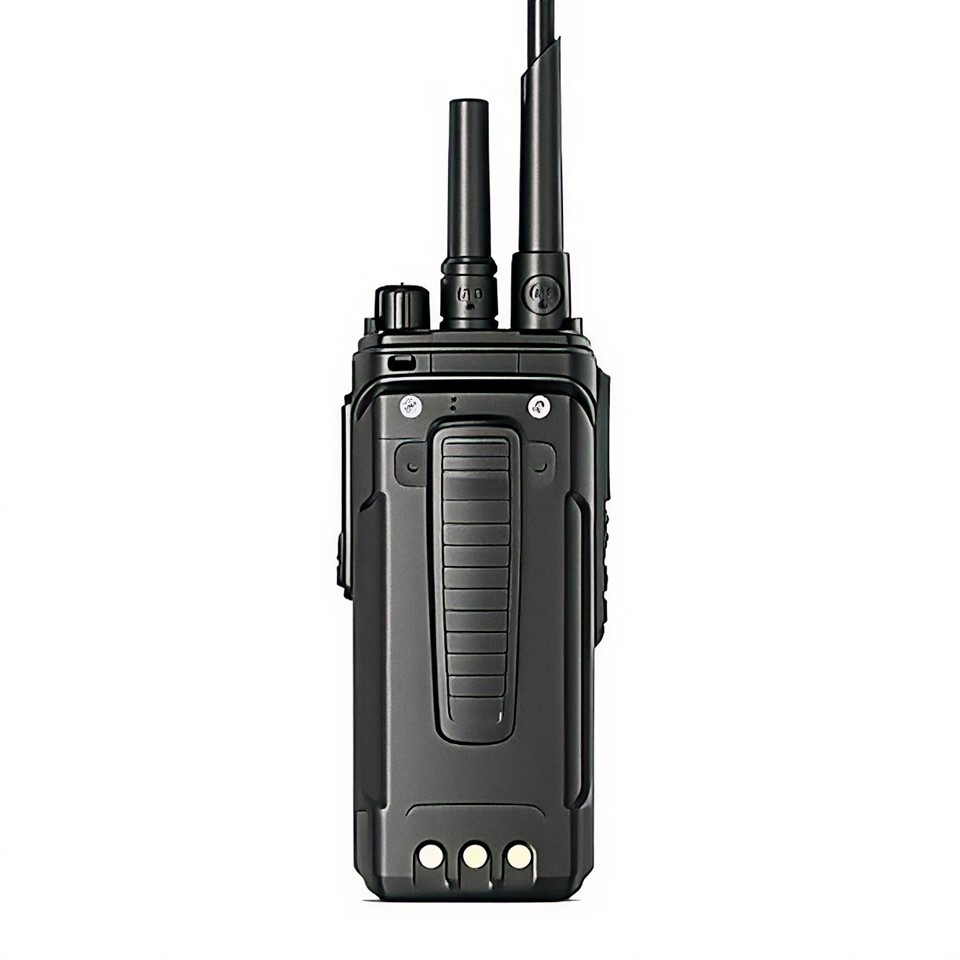

This is an excellent option for outdoor enthusiasts. If you're out in the wilderness and your battery is running low, you can just let the radio soak up some sun. However, solar power is dependent on sunlight. If it's cloudy or at night, you're back to relying on your battery.
Factors Affecting Power Consumption
The power source of an Analog Two Way Radio is only half the story. How much power the radio consumes also plays a crucial role.
Transmission Time
The longer you transmit your voice on the radio, the more power it uses. Every time you press the talk button, the radio's transmitter kicks in, and that requires a significant amount of energy. So, if you're constantly chatting on the radio, your battery will drain faster.
Signal Strength
If you're in an area with a weak signal, the radio has to work harder to send and receive messages. This means it will consume more power. On the other hand, in an area with a strong signal, the radio can operate more efficiently and use less power.
Features and Functions
Some Analog Two Way Radios come with additional features like backlighting, scanning, and multiple channels. These features add to the power consumption. For example, if you have the backlight on all the time, it will drain the battery faster compared to using the radio in the dark without the backlight.
Choosing the Right Power Source
When it comes to choosing the right power source for your Analog Two Way Radio, it depends on your usage.
If you're using the radio occasionally and don't want to deal with charging, disposable batteries might be the way to go. They're simple and easy to replace.
For frequent users, rechargeable batteries are a better option. They'll save you money in the long run and are better for the environment.
If you're using the radio in a fixed location, a power adapter is ideal. You can have continuous power without worrying about battery life.
And if you're an outdoor person, a radio with solar power capabilities can be a great addition to your gear.
Conclusion
So, there you have it! The power sources of Analog Two Way Radios are diverse, and each has its own pros and cons. Whether you're a professional in the construction industry, an event organizer, or just someone who loves the outdoors, understanding the power source of your radio is essential.
If you're interested in purchasing Analog Two Way Radios or have any questions about power sources or our products, don't hesitate to reach out. We're here to help you find the perfect radio and power solution for your needs.
References
- "Handbook of Batteries" by David Linden and Thomas B. Reddy
- "Radio Frequency Engineering" by Andrew P. McEachen